About
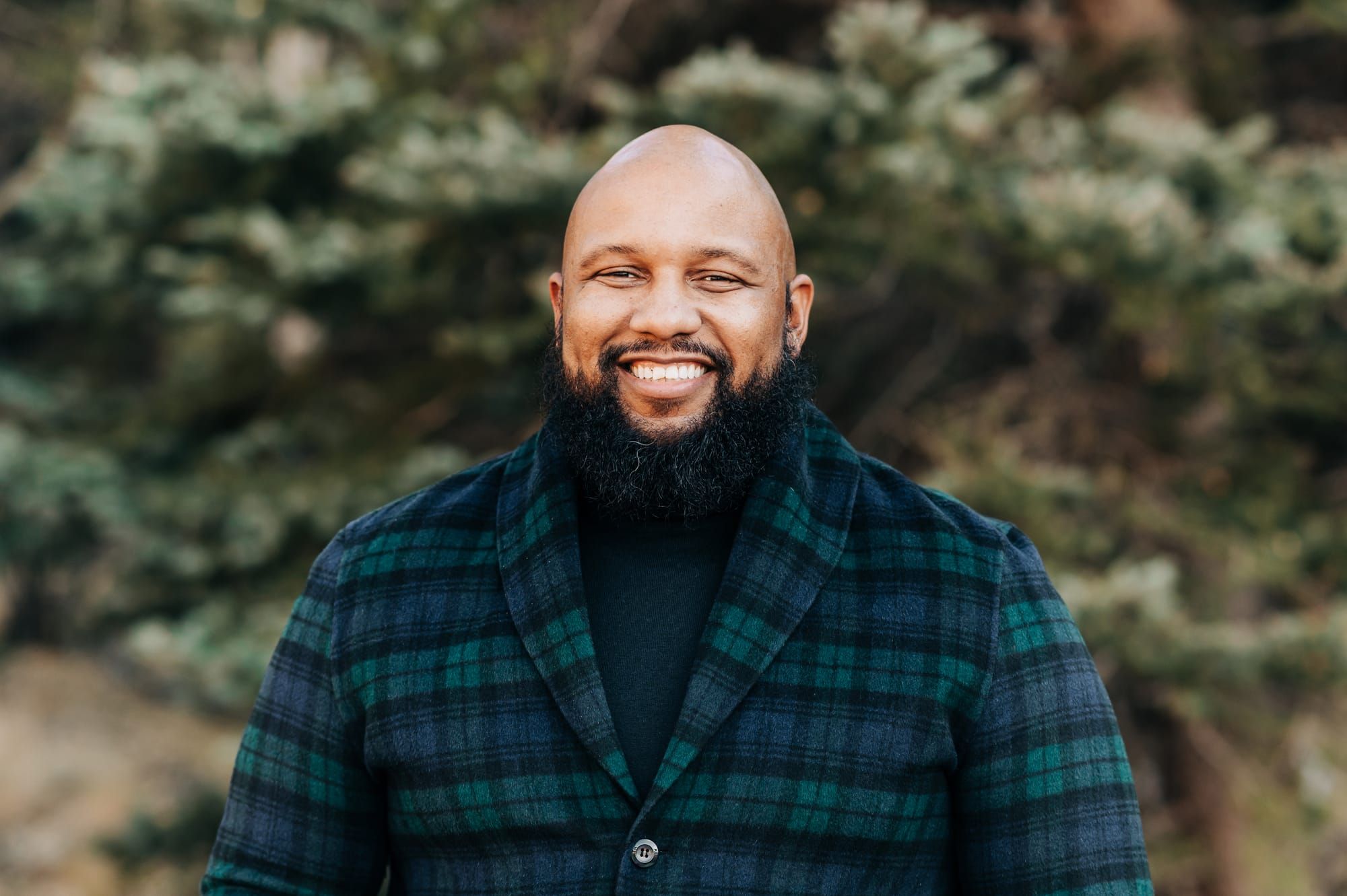
I write about operations leadership, technology, and AI for leaders of human-centered organizations.
That means organizations where trust, judgment, relationships, culture, mission, and long-term sustainability shape how work gets done. Nonprofits and education are part of my own background, but the questions here are broader than one sector.
Most of the writing on this site starts from a practical operating problem: a decision that has to be made, a system that has to work, a team that needs shared understanding, or a new tool that changes what suddenly feels possible.
AI is often the lens, but it is not really the whole subject.
The deeper question is how organizations remain thoughtful, effective, and human-centered when technology changes the cost, speed, and shape of work.
My background
My career began as a high school English teacher. Since then, I have spent nearly two decades working in education and nonprofit leadership roles across operations, organizational strategy, program management, systems design, enterprise planning, technology infrastructure, CRM and Salesforce leadership, contracting, risk management, and business operations.
I did not come to AI through engineering or computer science. I came to it the way many operators are coming to it now: through responsibility.
The work needed to be understood. The systems needed to be improved. The decisions needed to be made. The implications needed to be thought through.
I believe this perspective matters because many leaders are being asked to make AI-related decisions from exactly the position I find myself. They are not trying to become technologists. They are trying to steward organizations well.
Who is this site for?
This site is for leaders and operators who are trying to think clearly about questions like:
- Where does AI genuinely improve how work gets done?
- Where does speed create value, and where does it skip something important?
- What kinds of human judgment still need to stay close to the work?
- How do organizations preserve alignment, learning, trust, and accountability as tools become more capable?
- What should leaders pay attention to when technology makes individual execution much easier?
I am less interested in whether AI is good or bad in the abstract. I am more interested in what changes when AI becomes part of everyday work, especially inside organizations that still depend on people making good decisions together.
My lens on the work
I tend to see organizations through an operations lens.
Operations is not just administration. It is the work of turning ideas into reality. It is where strategy meets capacity, where values meet process, and where good intentions either become durable systems or quietly fall apart.
From that perspective, technology only matters if it improves meaningful work. Systems should support people, not the other way around. And execution is not separate from strategy.
Execution is strategy made visible.
Why I'm writing
I am using this site to think in public about the leadership questions AI is creating for human-centered organizations.
For most of my career, the traditional domains operations leaders navigate had a long history behind them. Strategy, execution, systems, staffing, budgeting, governance, change management, risk, communication, and organizational decision-making were not simple, but they were grounded in mature bodies of practice. There were experienced leaders, established patterns, and enough recognized expertise that I often felt comfortable listening, learning, and staying relatively quiet as I learned the terrain.
Generative AI has changed that dynamic. Its capabilities are moving quickly, its access is widely democratized, and many operators are being pulled into a new kind of leadership challenge in real time. The underlying work of operations still matters, but the conditions around that work are shifting quickly.
That is the position I find myself in now: on a learning journey powered by everyday interaction with the world of AI tools, while also carrying real organizational responsibility for how they are understood and used.
This site is part of how I am documenting that journey. Some posts will be essays. Some will be working frameworks. Some will start with practical questions I am still trying to answer.
The goal is not to offer certainty from a distance. It is to be a useful thinking partner for other leaders navigating similar choices up close.